
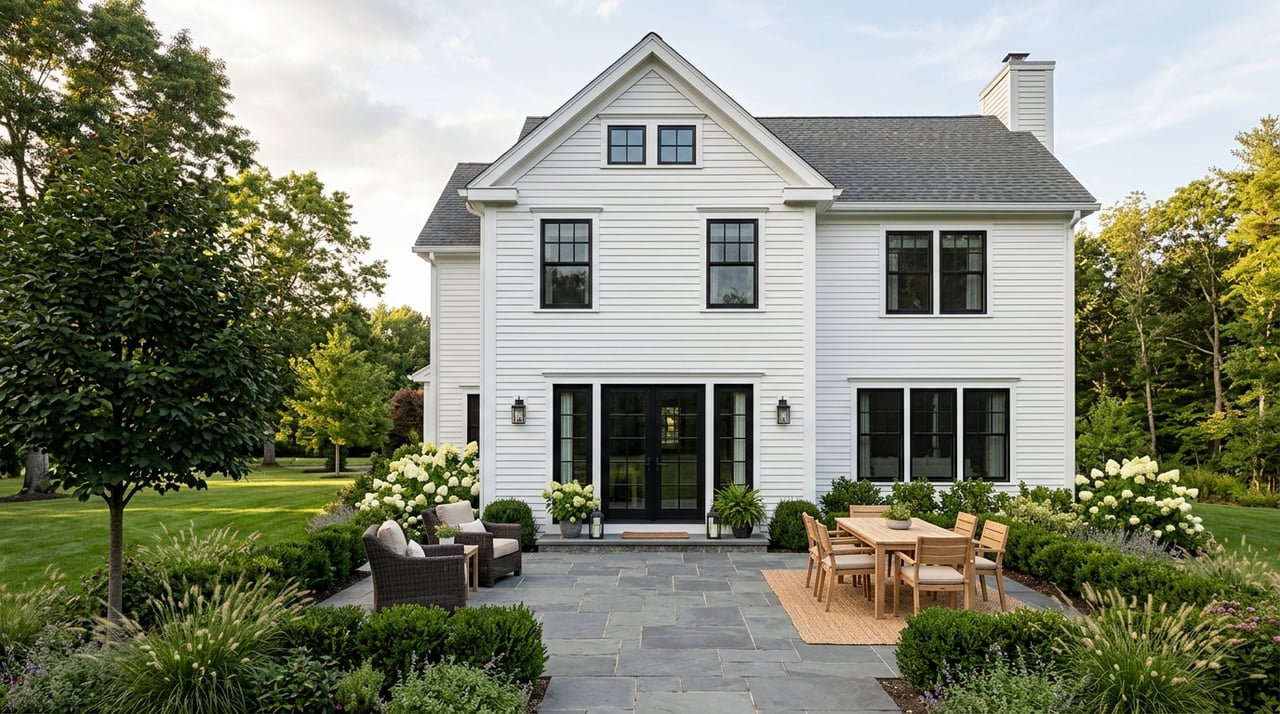
If your current home no longer fits the way you live, you are not alone. Many East Islip homeowners reach a point where they need more room, a different layout, or better outdoor space, but the idea of buying and selling at the same time can feel complicated. The good news is that with the right plan, you can trade up with less stress, fewer surprises, and more confidence. Let’s dive in.
Why moving up in East Islip takes planning
East Islip is a stable, owner-heavy market, which shapes how a move-up purchase works. According to Census Reporter’s East Islip profile, the community has 13,573 residents, 4,759 housing units, and an owner-occupied housing rate of 89.1%, with 7.6% of residents moving in the prior year.
That matters because lower turnover can mean fewer chances to buy the right home. The U.S. Census QuickFacts for East Islip also show that 92.4% of residents lived in the same house one year earlier, which supports the idea that inventory may stay tight and buyers should be ready when a strong opportunity appears.
Today’s pricing adds another layer. While Census data lists the median value of owner-occupied homes at $593,200, current market snapshots in the research point to much higher 2026 prices, suggesting that moving up in East Islip often means stepping into a competitive and expensive segment of the market.
What a move-up home looks like here
In East Islip, the move-up path is usually less about switching from a condo to a house and more about moving between different tiers of single-family homes. The research shows a detached-home listing mix, which means your next step may come down to layout, updates, lot size, and amenities rather than simply adding one more bedroom.
Lower price bands
Below roughly $650,000, current examples in the research include homes like 5 Wall St at $469,000 with 2 bedrooms and 700 square feet, and 138 E Madison St at $649,999 with 3 bedrooms and 1,260 square feet. Another example, a home on Irish Lane listed at $550,000 with 1,981 square feet, shows how condition, lot, and positioning can affect value as much as size alone.
Mid-tier options
Around the high-$700,000s and $800,000s, buyers may be paying for more usable indoor space and better outdoor features. The research cites 86 Overlook Dr at $799,999 with 3 bedrooms, 2 baths, a 0.32-acre lot, a garage, and a pool, which is a good example of how amenities can shape the move-up decision.
Upper-tier homes
At $900,000 and up, the market appears to reward newer construction, renovation quality, and larger footprints. Recent examples in the research include 9 E Madison St, a 2025-built home that sold for $1.1 million, 42 Quintuck Ln at $960,000, and 40 Carlisle Ln at $1.32 million.
The takeaway is simple: in East Islip, “moving up” often means buying better function, better finish, or better property features, not just more square footage on paper.
Start with your numbers
Before you tour homes, get clear on what you can comfortably afford. The Consumer Financial Protection Bureau homebuying guidance says buyers need to budget not just for a down payment, but also closing costs, moving expenses, repairs, property taxes, insurance, and other ongoing costs.
Closing costs alone typically run 2% to 5% of the purchase price, according to the CFPB. On a move-up home, that can be a meaningful amount, especially if you are also preparing your current home for sale or handling overlap between two properties.
It is also smart to think beyond the mortgage payment. The CFPB notes that some homes may require supplementary insurance, including flood insurance where applicable, so your monthly carrying costs may be higher than expected depending on the property.
Decide whether to sell first or buy first
For many homeowners, selling first is the cleaner path. The CFPB says people who want to move usually try to sell their current home before buying another one, and in a market like East Islip that often helps you understand exactly how much equity you can bring into the next purchase.
Selling first can help you:
- Define your budget more accurately
- Reduce the risk of carrying two housing payments
- Lower pressure during negotiations
- Avoid stretching cash needed for closing costs and repairs
Buying first may still be possible, but it takes more planning. According to Fannie Mae guidance on bridge or swing loans, these loans can be an acceptable source of funds in certain situations if they are structured properly and if the borrower can carry payments on both homes and the bridge loan.
For you, the practical question is whether your equity, income, and timing can support a temporary overlap. That is why financing conversations should happen early, before the right listing hits the market.
Prepare financing before the search
In a competitive market, waiting to sort out financing can cost you time and options. The CFPB’s loan estimate and closing disclosure guidance recommends comparing multiple loan offers before entering a contract.
This step does more than help you shop rates. It also gives you a realistic picture of monthly costs, cash-to-close needs, and how strong your offer may look when you find a home you want.
The same CFPB guidance also notes that the Closing Disclosure must arrive at least three business days before closing. That timing rule is useful to keep in mind when you are coordinating a sale, a purchase, movers, and any repairs between homes.
Protect yourself with the right contingencies
A move-up purchase has many moving parts, so protection matters. The CFPB explains that a satisfactory inspection contingency can allow a buyer to cancel without penalty if the inspection uncovers serious problems.
That can be especially important when you are stretching into a higher price tier. If inspection or appraisal issues arise, lenders may require repairs or extra escrow, which can affect your budget and timeline.
In other words, the smartest move-up strategy is not only about winning a home. It is about winning the right home at terms you can manage comfortably.
Watch the calendar if timing matters
If your household schedule is tied to the school year, timing your move carefully can reduce disruption. The East Islip Union Free School District calendar lists the first day of school for students as September 3, 2026, winter recess from December 23 to December 31, 2026, mid-winter recess from February 15 to February 19, 2027, spring recess from April 19 to April 23, 2027, and the last day of school as June 25, 2027.
For many households, summer and school recess windows are the easiest times to close, move, or finish work on a new home. East Islip’s demographic profile also supports why timing matters locally, with a median age of 43.1 and 18.8% of residents under 18, according to Census Reporter.
Even if school timing is not a factor for you, planning around work schedules, contractor availability, and moving logistics can make the transition much smoother.
Check flood risk early
In East Islip, flood due diligence should happen early in the process, not after you fall in love with a home. The Town of Islip flood-zone map tool and FEMA’s flood map resources are important tools for understanding property-specific flood risk.
FEMA notes that standard homeowners insurance usually does not cover flood damage. It also explains that areas with a 1% annual chance of flooding or higher are considered high risk, which translates to at least a one-in-four chance of flooding over a 30-year mortgage.
That does not mean a property is automatically wrong for you. It does mean flood status can affect insurance requirements, monthly costs, and your overall comfort with the purchase, so it is worth reviewing before you get too far down the road.
A smart move-up plan for East Islip
If you want to trade spaces smartly, focus on sequence and preparation. In a market with limited turnover, high ownership, and competitive pricing, being organized can give you a real advantage.
A practical move-up plan often looks like this:
- Review your home’s likely sale position and available equity.
- Build a full next-home budget, including closing costs and insurance.
- Compare loan options before making offers.
- Decide whether selling first or buying first makes more sense for your finances.
- Watch for homes that improve how you live, not just homes with a bigger number.
- Check flood status and inspection issues early.
- Coordinate your timeline around your household’s schedule when possible.
The goal is not just to buy a larger house. The goal is to make a move that supports your next chapter without creating unnecessary stress.
When you are ready to plan your next step in East Islip, working with an experienced local broker can make the process more manageable from the first conversation through closing. If you want thoughtful guidance, strong market perspective, and full-service support, connect with Irene Siconolfi.
FAQs
What does moving up in East Islip usually mean for buyers?
- In East Islip, moving up often means stepping into a higher tier of single-family home with better layout, updated finishes, more usable space, or added outdoor amenities rather than simply adding one extra bedroom.
What should East Islip homeowners budget for when buying a larger home?
- In addition to your down payment, the CFPB says you should budget for closing costs, moving expenses, repairs, taxes, insurance, and possibly supplementary coverage such as flood insurance where applicable.
Should East Islip homeowners sell before buying their next home?
- Many homeowners choose to sell first because it can clarify your budget, free up equity, and reduce the risk of carrying two housing payments at once.
How competitive is the East Islip housing market for move-up buyers?
- The research suggests East Islip is a higher-priced and still competitive market, with high owner occupancy, relatively low turnover, and pricing that has risen above older Census value benchmarks.
Why should East Islip buyers check flood zones before making an offer?
- Flood risk is property-specific and can affect insurance needs, lender requirements, monthly carrying costs, and your long-term comfort with the home, so it is smart to review flood maps early.
When is the least disruptive time to move within East Islip?
- For households planning around the school calendar, summer and school recess periods are often the easiest times to close, move, or complete repairs between homes.