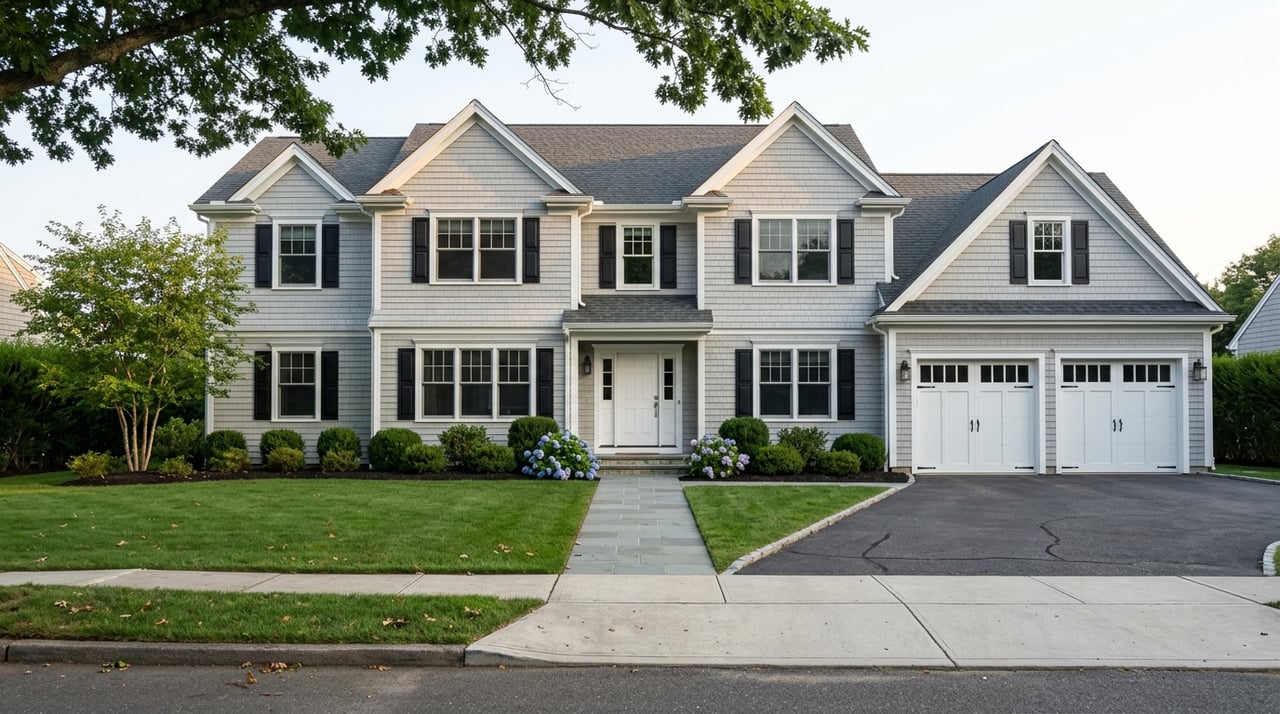

If your current home no longer fits your life, you are not alone. Many Babylon homeowners reach a point where they need more space, a different layout, or a better long-term fit, but making that next move can feel complicated when you also have a home to sell. The good news is that with the right plan, you can make smart decisions about timing, budget, and location before the pressure builds. Let’s dive in.
Why move-up buyers in Babylon need a plan
Babylon is usually a resale market, not a market where you can count on a large supply of brand-new homes coming online. The Town of Babylon reports 71,451 housing units, and 76.8% are one-unit detached homes. More than 84% of the housing stock was built before 1980, with the largest share built between 1950 and 1969.
That matters because your move-up search will often center on existing homes in established neighborhoods. In many cases, you are comparing trade-offs like layout, updates, lot size, taxes, and location rather than choosing between several similar new builds. You may find the extra bedroom or larger yard you want, but it may come with older systems or a different tax picture.
Babylon is also not one single market. The town includes ten hamlets and three incorporated villages, and it is the most densely populated town in Suffolk County. That creates smaller submarkets with different housing patterns, price points, and inventory conditions.
What the 2026 Babylon market means for you
If you are planning a move-up purchase in 2026, speed and preparation matter. Redfin reports a median sale price of $778,034 in Babylon for the three months ending May 2026, up 11.7% year over year. Homes sold in a median of 29 days and at 99.5% of list price.
That pace tells you something important. Well-priced homes can move quickly, and some still attract multiple offers. If you wait to sort out financing, home-sale timing, or your budget until after the right home appears, you may feel rushed when it matters most.
The broader Suffolk and Long Island picture supports that same message. OneKey MLS reported in March 2026 that homes for sale were down 9.0% year over year to 13,029, with months supply at 3.2. Inventory is still tight enough that buyers benefit from knowing exactly what they can do before they start making offers.
Start with your true move-up budget
Before you look at listings, figure out what your move-up really costs. This is more than a purchase price target. You need to understand how much equity you may have after paying off your current mortgage, covering selling costs, and paying for moving expenses.
You also need to look at the monthly side of the equation. Freddie Mac reported the average 30-year fixed mortgage rate at 6.47% on June 18, 2026. Even if you are rolling equity into the next home, the payment on a larger purchase can feel very different once you add taxes, insurance, and upkeep.
A practical move-up budget usually includes:
- Estimated sale price of your current home
- Mortgage payoff amount
- Expected selling costs
- Cash available for down payment and reserves
- Estimated monthly payment on the next home
- Property taxes for the new home
- Moving and setup costs
- Ongoing maintenance for a larger property
This step helps you shop with confidence. It also makes it easier to decide whether you should stretch for the top of your range or leave room for updates, repairs, or future expenses.
Factor in Babylon school district lines and taxes
For many move-up buyers, the home itself is only part of the decision. The Town of Babylon lists ten public school districts serving its communities: Amityville, Babylon, Copiague, Deer Park, Farmingdale, Half Hollow Hills, Lindenhurst, North Babylon, West Babylon, and Wyandanch. These districts operate independently of town government.
That means a move across Babylon can come with a meaningful change in district boundaries and taxes. The Town of Babylon says about 70% of a property tax bill typically goes to the local school district. When you compare homes, the total cost of ownership can shift quite a bit based on district location, even when sale prices look similar.
The New York State Tax Department’s 2026-2027 STAR table also shows district-specific savings within the town. If you qualify for an exemption such as STAR, that may affect your monthly budget and your long-term planning. For move-up buyers, it is smart to compare homes by both purchase price and tax impact.
Choose the right timing strategy
Most move-up buyers in Babylon end up choosing one of three basic paths. The right one depends on your equity, financing options, comfort with risk, and how competitive the home search becomes.
Sell first, then buy
This option gives you the clearest picture of your available funds. Once your current home is under contract or sold, you know how much equity you have to work with and what your next budget looks like.
The trade-off is timing. You may need temporary housing, a rent-back arrangement, or very careful closing coordination if you do not want a gap between homes.
Buy first with bridge financing
Fannie Mae’s consumer guidance says bridge loans can be an acceptable source of funds when the lender documents the borrower’s ability to carry the current home, the new home, the bridge loan, and other obligations. This can give you more flexibility if you find the right property before your current home sells.
The trade-off is carrying cost and financial pressure. You need to be very clear on whether you can handle two housing obligations at once, even for a short period.
Buy with a sale contingency
Fannie Mae explains that contingencies are conditions that must be met before the purchase can occur. A home sale contingency can protect you if your purchase depends on selling your current home first.
This can work in the right situation, but in a faster market it may make your offer less flexible when competing against cleaner terms. It is not a rule that sellers will reject it, but in a market where some homes get multiple offers, stronger structure often matters.
Know what compromises matter most
Because Babylon is an established housing market, move-up buyers often make trade-offs. You may find a larger home that needs updating, or a renovated home with a smaller yard. You may also compare a shorter commute against a higher tax bill or a preferred layout against a different district boundary.
It helps to rank your priorities early. Instead of saying you want everything, decide what is truly non-negotiable and what is simply preferred. That will make your search faster and reduce second-guessing when a strong option appears.
A simple way to prioritize is to sort features into three groups:
- Must-have: bedroom count, minimum square footage, district location, budget ceiling
- Would like: updated kitchen, finished basement, home office, bigger lot
- Can compromise: cosmetic style, exact block, timing of minor updates
This keeps your decision grounded in your real life, not just emotion in the moment.
Prepare your current home before you shop hard
In a move-up purchase, your current home is part of the strategy. If inventory is tight and timing matters, you do not want to start preparing your sale only after you find the next home. Getting organized early can help you act faster and negotiate from a stronger position.
That means understanding likely pricing, condition issues, and what work may help your home show well. Even simple prep can make a difference when buyers are moving quickly and comparing value across limited inventory.
For sellers who want a more polished launch, this is also where full-service support matters. Professional photography, videography, staging coordination, and vendor orchestration can help you present your home well and reduce stress during a move that already has many moving parts.
Build a realistic offer plan
When the right house comes up, you want to move with clarity, not panic. Fannie Mae notes that multiple offers are common and advises buyers to line up financing early. In Babylon’s current market, that preparation can help you act decisively while still understanding your limits.
A realistic offer plan should answer a few questions before you ever write one:
- How high are you willing to go?
- Which contingencies do you need?
- How flexible can you be on closing timing?
- Do you need proceeds from your current home to complete the purchase?
- Are you comfortable with repairs or updates after closing?
When these answers are clear in advance, you are less likely to overreact under pressure. You can make a strong offer that reflects your goals and your financial reality.
Why local guidance makes a difference
A move-up purchase in Babylon is rarely just about buying a bigger house. You are often balancing equity, school district boundaries, taxes, timing, and resale value all at once. In a mature market with older housing stock and limited inventory, those details matter.
This is where local experience can save you time and reduce guesswork. A broker who understands Babylon’s submarkets, district lines, and the practical timing of selling and buying at the same time can help you compare options more clearly and avoid preventable mistakes.
If you are starting to think about your next move in Babylon, the best first step is a grounded plan. Reach out to Irene Siconolfi for thoughtful guidance on timing your sale, preparing your current home, and finding the right move-up opportunity with less stress.
FAQs
What makes planning a move-up home purchase in Babylon different from buying your first home?
- In Babylon, a move-up purchase often involves two transactions at once, plus decisions about equity, timing, school district boundaries, and property taxes.
What does the 2026 Babylon housing market mean for move-up buyers?
- Redfin reported a median sale price of $778,034, median days on market of 29, and homes selling at 99.5% of list price, which suggests buyers should be prepared for a relatively fast market.
What housing stock should you expect when buying a larger home in Babylon?
- The Town of Babylon reports that more than 84% of homes were built before 1980, so move-up buyers are usually choosing among existing homes in established neighborhoods rather than new construction.
Why do school district lines matter when moving within Babylon?
- Babylon is served by ten public school districts, and the Town of Babylon says about 70% of a property tax bill typically goes to the local school district, so district location can affect both taxes and long-term planning.
Should you sell your current Babylon home before buying the next one?
- That depends on your equity, financing, and comfort with risk, but common paths include selling first, buying first with bridge financing, or making an offer with a sale contingency.
How can you prepare your current home for a move-up purchase in Babylon?
- Start early by reviewing likely pricing, condition, and presentation so you can move quickly if the right next home becomes available.