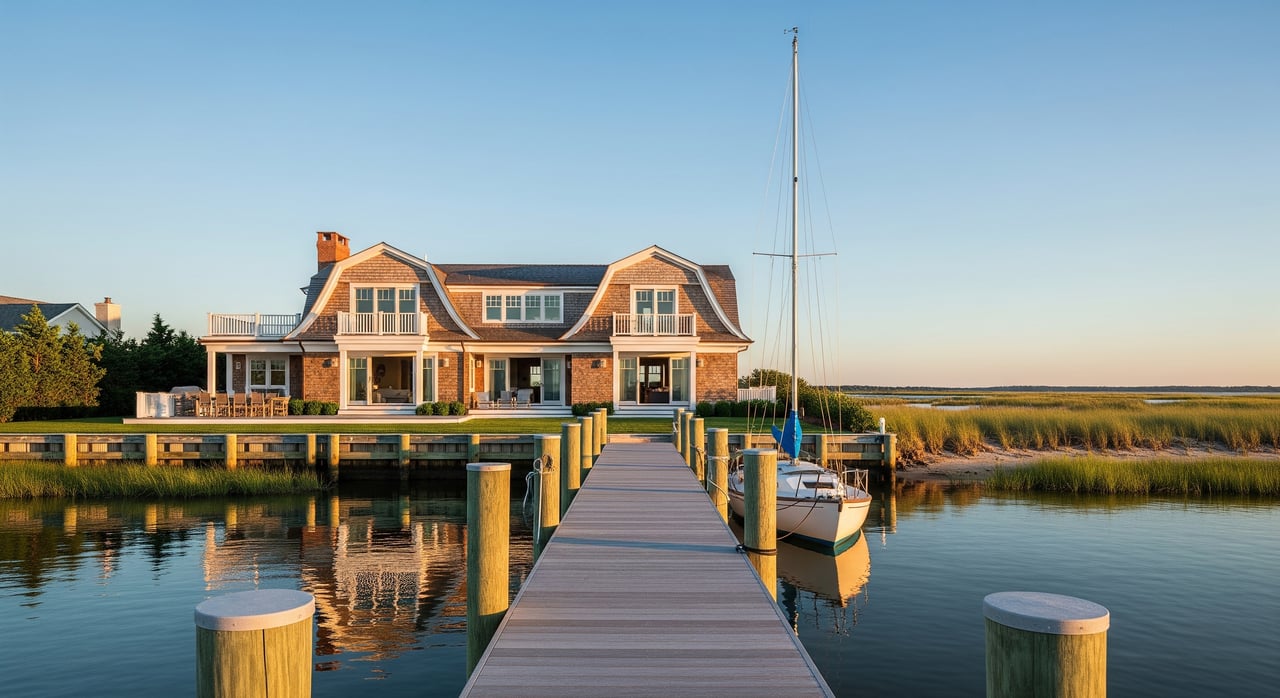
If you picture morning coffee on a dock, easy runs to Fire Island, and sunset dinners by the bay, you’re already imagining Babylon’s waterfront life. The reality is even richer. You’ll find true boating culture, walkable village moments, and a clear set of responsibilities that come with living on the South Shore. In this guide, you’ll learn what daily life feels like, which property types fit your goals, and the trade-offs to plan for so you can buy with confidence. Let’s dive in.
Where Babylon meets the bay
Babylon sits on Long Island’s South Shore along the Great South Bay, with Fire Island protecting the coastline to the south. The area blends bayfront blocks, canal neighborhoods, and village centers that put food, coffee, and small-town events within easy reach. You can live directly on the bay, tuck into a protected canal, own a condo with a slip, or settle just inland and bike to marinas and waterfront parks.
Common waterfront options include bayfront homes with bulkheads, canal-front houses with private docks, and multiunit communities with shared boating facilities. There are also seasonal cottages on the barrier island and inland village homes that keep you close to downtowns. Each setting offers a different pace and set of costs.
Waterfront home options
Bayfront living
Bayfront homes offer wide water views and a front-row seat to sunrises and storm fronts. You usually get a bulkhead and sometimes a small dock. You also get higher exposure to wave action and the full force of storm surge, so insurance and maintenance planning matter.
Canal-front life
Canal homes trade big-sky views for calmer water and more protected boat mooring. You’ll often enjoy easier docking and less exposure to chop. Depth and tidal flushing can vary by canal, so you should verify draft, tidal range, and any bridge clearances that affect your boat.
Condos, co-ops, and marinas
If you want the boating lifestyle without full property upkeep, condo or co-op developments with shared slips can be a good fit. You’ll pay association fees and follow community rules. Slip availability can be limited, and marinas may have waitlists, so start early.
Elevated and newer builds
After past storms, newer construction often features elevated living spaces and flood-resilient materials. These designs aim to reduce risk and can influence insurance quotes and peace of mind.
Season-by-season lifestyle
Spring
You’ll notice the neighborhood come alive with boat commissioning, dock and yard prep, and early-season fishing. Contractors are busy after winter. Birders head to the shoreline as migration picks up.
Summer
This is peak season. You’ll see daily boating, paddleboarding, and kayaking on the bay. Ferries to the barrier beach are active. Outdoor dining, concerts, and festivals fill the calendar. Expect weekend traffic and tighter parking near downtowns and marinas.
Fall
Crowds thin but the water is still inviting. Many residents keep boats in through late fall. You’ll see more maintenance and haul-outs, alongside strong fishing and bird migrations.
Winter
Life slows on the water. Some seasonal businesses reduce hours. You’ll focus on winterizing, home projects, and storm readiness. Nor’easters are part of the rhythm, so planning helps you ride out the season smoothly.
Boating, beaches, and daily conveniences
Boating is a major part of South Shore life. Residents run day trips across the Great South Bay, fish, clam, or head to Fire Island when conditions and schedules allow. Marinas, yacht clubs, and informal launch spots become social hubs.
On land, you’ll mix beach days on Fire Island or at local town beaches with boardwalk walks and waterfront dining. Village centers host farmers’ markets, community events, and casual nights out. Some bayfront sections are a quick drive from these main streets while other blocks are more walkable. If ferry trips are on your wish list, keep in mind that services are seasonal and schedules change, so you’ll want to confirm current routes and times.
Trade-offs and true costs
Waterfront living delivers access and atmosphere, but it also brings ongoing costs. Planning ahead will help you make a confident choice.
- Insurance. Waterfront properties often need flood insurance in addition to homeowners insurance. Premiums vary by elevation, flood zone, and building features. Changes to FEMA maps and private market conditions can affect pricing.
- Maintenance. Bulkheads, docks, and seawalls require periodic repairs. Storm damage can add unexpected costs. Budget for inspections and a maintenance plan.
- Taxes and fees. Suffolk County and Town property taxes are significant. Condos or marina facilities may add HOA dues or slip fees.
- Utilities and sewer. Sewer access varies by neighborhood. Some areas rely on septic systems. Confirm service and any improvement plans with local authorities.
A simple first-year checklist can help you estimate the full picture:
- Obtain preliminary flood and homeowners insurance quotes.
- Inspect bulkhead, dock, and shoreline conditions with a qualified professional.
- Confirm sewer or septic status and any planned upgrades.
- Call local marinas about slip availability, fees, and waitlists if you need off-site mooring.
Flood risk, permits, and rules
Coastal storm surge, nor’easters, and hurricanes are part of South Shore life. FEMA flood maps and local base flood elevations influence insurance and loan approval. Elevation, freeboard, and resilient materials are common in newer or renovated homes and can lower risk.
If you plan to build, renovate, or add a dock, expect a permitting process that may involve the Town or Village, Suffolk County, New York State agencies, and sometimes federal authorities. Timelines can be lengthy. Coastal setbacks, erosion rules, and restrictions on certain hard structures vary by location, so it pays to review requirements early.
Water quality in the Great South Bay has been a long-term regional focus. Local and state programs support habitat restoration, including eelgrass and shellfish projects. Shellfishing is subject to seasonal rules and can be paused when advisories are in place. If you care about conservation, you’ll find active community efforts to get involved in.
Commuting and getting around
Many residents commute on the LIRR Babylon Branch. Service frequency and trip times change by schedule, so you should check current timetables for planning. By car, Southern State Parkway and Sunrise Highway anchor east-west travel. Summer weekends can bring more congestion near beaches, ferry areas, and downtowns. If you rely on parking near train stations or marinas, factor that into your daily routine.
How to find your best-fit property
Use your lifestyle first, then match it to the right block and home type.
- Define your priorities. Decide if wide-open views, a protected canal, or a lower-maintenance condo suits how you spend weekends and summers.
- Map your flood profile. Review the property’s flood zone and base flood elevation. Ask about elevation certificates and recent improvements.
- Inspect the shoreline. Bulkheads, docks, and seawalls deserve a professional look. Ask about age, materials, and past repairs.
- Solve for boat logistics. Confirm draft and tidal access for canal homes, and check marina slip availability if you do not have a private dock.
- Test daily life. Drive or bike to the village, beaches, and train at the times you’ll actually travel. Check parking and seasonal patterns.
- Plan your season. If you will host summer visitors or work remotely in winter, make sure the layout and systems support your plan.
- Run the full cost. Layer taxes, insurance, expected maintenance, and any HOA or slip fees into your monthly budget.
- Partner with a local specialist. A waterfront-savvy agent can surface off-market options, coordinate inspections, and guide permits and insurance conversations.
When you are ready to explore, you deserve guidance that blends hyper-local insight with full-service support. With more than 25 years on the South Shore, a white-glove approach, and a network built for coastal properties, you can move forward with clarity and confidence.
Ready to find your fit on the bay? Work with a dedicated advisor who understands Babylon block by block. Connect with Irene Siconolfi for a thoughtful, end-to-end plan.
FAQs
What does waterfront living in Babylon, NY include?
- You can choose bayfront or canal-front homes, condos with shared slips, or inland village homes near marinas, with a lifestyle centered on boating, beaches, and walkable downtowns.
How safe is year-round bayfront living on the Great South Bay?
- Many residents live year-round. Preparedness for winter and storm seasons, plus proper insurance, elevation, and maintenance, are key to managing coastal risk.
What costs should Babylon waterfront buyers plan for beyond purchase price?
- Plan for flood and homeowners insurance, bulkhead and dock upkeep, potential storm repairs, property taxes, and any HOA or marina slip fees.
How does commuting to NYC work from Babylon’s South Shore?
- The LIRR Babylon Branch serves commuters, with schedules and trip times that vary. Check current timetables and consider station parking in your plan.
Do you need permits for docks, bulkheads, or shoreline work in Babylon?
- Yes. Projects often require approvals from the Town or Village, Suffolk County, New York State, and sometimes federal agencies, and timelines can be lengthy.
Is water quality a concern in the Great South Bay near Babylon?
- Water quality has been a regional focus. Restoration projects and monitoring programs are active, and shellfishing may be subject to seasonal rules and advisories.