Choosing a second home in the Hamptons often comes down to a simple question: do you picture yourself stepping into a polished village setting, or heading straight for the marina and the water? If you are comparing East Hampton and Hampton Bays, you are not alone. Both offer a coastal lifestyle, but they create very different day-to-day experiences. This guide will help you understand how each area feels, how waterfront access works, and what kind of second-home lifestyle each one tends to support. Let’s dive in.
East Hampton at a Glance
East Hampton is closely tied to a historic, village-centered identity. The Village of East Hampton highlights Main Beach, a tightly managed beach system, and a visitor experience centered around museums, music, art, and historic inns. The Town of East Hampton also emphasizes preserving history, open space, and cultural assets.
For many second-home buyers, that translates to a more curated Hamptons experience. You are likely to notice the historic streetscape, established village setting, and a strong sense of seasonal structure. If your ideal getaway feels classic, refined, and rooted in place, East Hampton may speak to you right away.
Hampton Bays at a Glance
Hampton Bays tells a different story. According to Southampton Town’s Hampton Bays Pattern Book, the hamlet has deep ties to Shinnecock Canal, Shinnecock Inlet, commercial and sport fishing, and a local port that plays a major role in New York State’s fishing industry. The official materials also point to almost four miles of public oceanfront.
That gives Hampton Bays a more practical, waterfront-first identity. Instead of a resort-village feel, the area reads as more relaxed and connected to boating, fishing, and direct access to the water. If your second home is really about getting outside, getting on a boat, and keeping things easy, Hampton Bays may be the better fit.
Lifestyle Feel: Curated vs Casual
One of the clearest differences is how each place feels when you spend time there. East Hampton comes across as more polished and historic, with official messaging that leans into culture, preservation, and a carefully managed coastal experience. Hampton Bays feels more functional and boat-oriented, with public assets that support active waterfront use.
Neither is better in a universal sense. It depends on how you want to use your second home. If you want a classic Hamptons setting with a strong village identity, East Hampton is often the natural choice. If you want a more laid-back home base built around water access, Hampton Bays has a strong case.
Beach Access and Summer Rhythm
East Hampton Beaches
East Hampton’s beaches are beautiful, but they are also structured. The village lists five beaches, including Georgica, Main, Wiborg, Egypt, and Two Mile Hollow, with lifeguarded beaches, resident and non-resident parking options, summer vehicle restrictions, and active beach enforcement through the village beach system. The town also notes that many beaches follow a Memorial Day weekend through Labor Day weekend lifeguard season.
For a second-home owner, that means East Hampton often feels distinctly seasonal. Summer access patterns, parking rules, and beach operations are part of the lifestyle. Some buyers appreciate that level of order because it supports a more controlled beach experience.
Hampton Bays Beaches
Hampton Bays offers a bigger, more access-driven beach setup. Southampton Town says Ponquogue Beach Pavilion includes more than 600 feet of oceanfront, 478 ocean-side parking spaces, and 84 overflow spaces. Tiana Beach adds more than 1,000 feet of shorefront and 847 parking spaces, while Tiana Bayside supports swimming lessons, sailing, kayaking, windsurfing, and daytime docking for beach access.
This setup tends to feel more direct and activity-focused. Summer is still busy, especially since Ponquogue is one of the town’s most popular beaches, but the local infrastructure clearly supports large-scale public waterfront use. If beach access and convenience are high on your list, Hampton Bays stands out.
Boating and Marina Access
Why Hampton Bays Appeals to Boaters
If boating is central to your second-home plans, Hampton Bays has the stronger official case. The town operates several facilities that support marine use, including Old Ponquogue Bridge Marine Park, which offers a boat launch, fishing access, and year-round use with seasonal permit requirements. The Shinnecock Commercial Fishing Dock includes 20 slips for commercial vessels up to 90 feet.
Southampton Town also notes marina and boat-rack services through its Hampton Bays parks system. Put simply, Hampton Bays has a denser boating and launch infrastructure. If you expect to spend a lot of your free time on the bay, canal, or inlet, that matters.
East Hampton on the Water
East Hampton is not disconnected from boating. The town describes Three Mile Harbor as a small fishing and recreational boating harbor with moorings, fuel, docking, and repair facilities. Still, the official story around East Hampton leans more toward beaches, history, and village life than toward a boating-first identity.
That distinction can help simplify your decision. If water access is important but not your main priority, East Hampton may still fit beautifully. If your second home revolves around launching, docking, and spending long days on the water, Hampton Bays may feel more aligned.
Home Character and Setting
East Hampton Homes
East Hampton’s planning materials strongly emphasize architectural heritage. The town notes a rich building history dating back to colonial times and says new construction should harmonize with the area’s essential character, as outlined by the Architectural Review Board. Official planning documents also describe low-density estate-type residential development near Georgica Pond.
The village adds another layer, describing East Hampton as a historic landmark with homes, inns, and commercial buildings dating to the seventeenth century, plus tree-lined streets, period gardens, and noted mansion districts. If you are drawn to historic houses, estate settings, and preserved streetscapes, East Hampton offers that visual and architectural backdrop.
Hampton Bays Homes
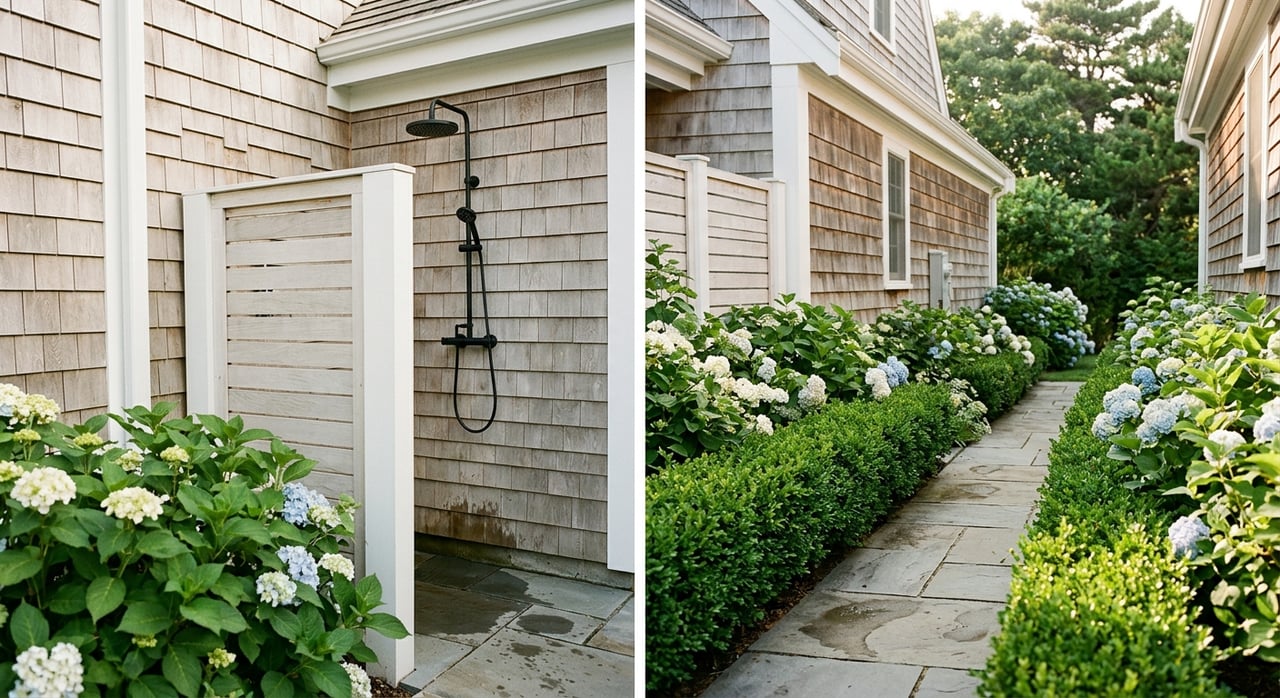
Hampton Bays presents a more mixed coastal design language. The Hampton Bays Pattern Book identifies four local styles: South Shore Shingle, East End Colonial, Good Ground Revival, and Maritime Mercantile. Southampton Town even describes South Shore Shingle as the Hamptons’ signature look.
For buyers, that suggests a setting that feels more varied and coastal in tone. The overall character appears less estate-centered and more connected to a working waterfront and everyday marine life. If you want a second home that feels relaxed and coastal without the same formal historic emphasis, Hampton Bays may be more your speed.
Which Second Home Fits Your Goals?
A helpful way to compare these two areas is to start with how you plan to spend your time.
East Hampton may fit you better if you want:
- A historic village setting
- A more curated Hamptons atmosphere
- Structured beach access and summer systems
- A property backdrop with estate and heritage character
- A second home that feels tied to culture, preservation, and a classic seasonal rhythm
Hampton Bays may fit you better if you want:
- A boating- and fishing-oriented home base
- Easier access to marinas, launches, and marine facilities
- Large public beach infrastructure
- A more relaxed, practical coastal feel
- A second home focused on water activity and waterfront convenience
How to Decide With Confidence
When you are choosing between East Hampton and Hampton Bays, the best answer usually comes from your lifestyle, not just the map. Think about what your weekends would actually look like. Are you walking through a historic village and planning around beach rules and summer routines, or are you heading to the marina, loading the boat, and staying close to the bay?
That kind of clarity helps you narrow your search faster and avoid buying a home that looks right on paper but feels wrong in practice. A second home should support the way you want to live when you arrive.
If you are weighing East Hampton against Hampton Bays and want practical guidance tailored to your goals, Irene Siconolfi can help you compare the lifestyle, property setting, and waterfront priorities that matter most to you.
FAQs
Which area is better for boating: East Hampton or Hampton Bays?
- Hampton Bays has the stronger boating infrastructure, with facilities that include Old Ponquogue Bridge Marine Park, Tiana Bayside boat tie-ups, the Shinnecock Commercial Fishing Dock, and Southampton Town marina services.
Which area feels more seasonal for a second home: East Hampton or Hampton Bays?
- East Hampton has a very defined summer rhythm through its managed beach system, with lifeguard seasons, parking rules, and vehicle restrictions that shape peak-season use.
Which area has more structured beach access: East Hampton or Hampton Bays?
- East Hampton’s beach system is more controlled, with resident and non-resident parking options, summer restrictions, and active enforcement.
Which area offers larger public beach facilities: Hampton Bays or East Hampton?
- Hampton Bays has large public beach facilities, including Ponquogue Beach and Tiana Beach, with extensive parking and activity-oriented access.
Which area has a more historic home setting: East Hampton or Hampton Bays?
- East Hampton has the more historic and estate-oriented setting, based on official planning materials that emphasize preserved architecture, village character, and heritage streetscapes.
Which second-home lifestyle is more relaxed: East Hampton or Hampton Bays?
- Based on official local descriptions, Hampton Bays generally reads as the more relaxed, boat-first waterfront base, while East Hampton feels more curated and village-centered.