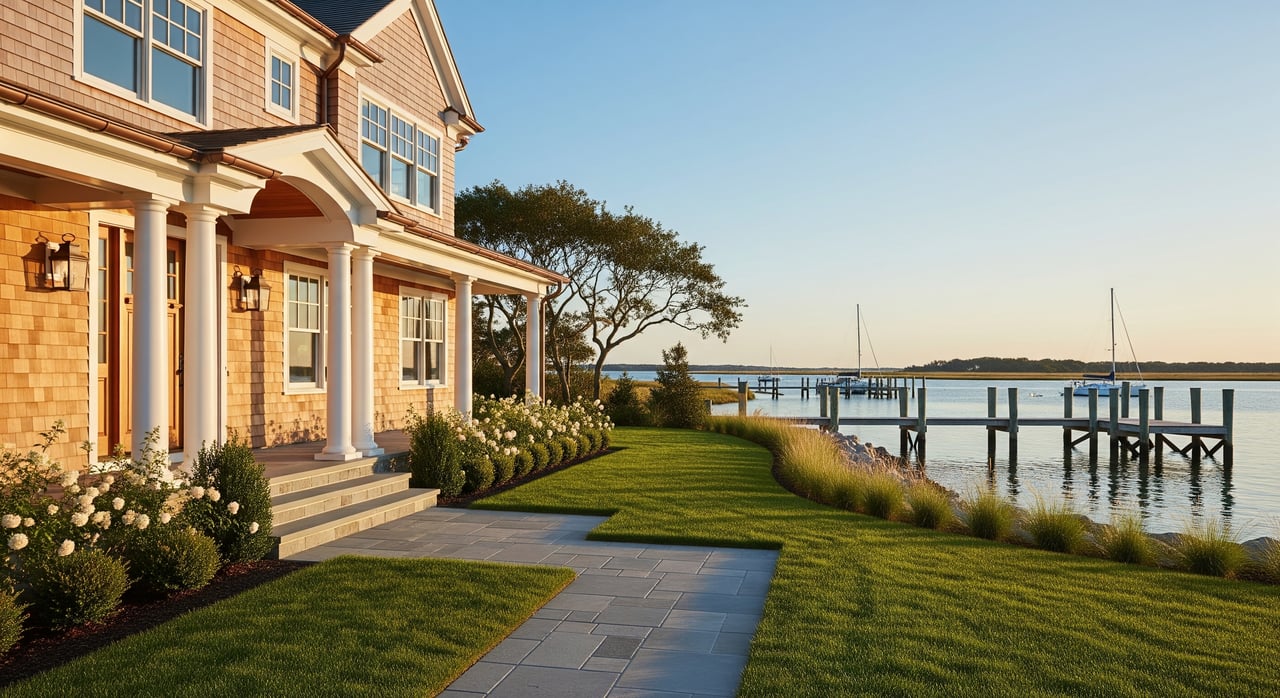
Picture yourself spending weekends by the Great South Bay, then hopping on a nearby LIRR train for weekday commutes. Buying your first home in West Islip can make that lifestyle real, but you also want clarity on costs, flood zones, and how the Long Island process works. This guide walks you through each step, with local checkpoints that matter on the South Shore. You will learn what to budget, what to inspect, and how to move from pre-approval to closing with confidence. Let’s dive in.
Why West Islip works for first-time buyers
West Islip sits on Long Island’s South Shore in the Town of Islip, facing the Great South Bay. That coastal setting shapes your day-to-day life, commute options, and what to look for during home inspections. It also affects insurance and, for some properties, flood considerations.
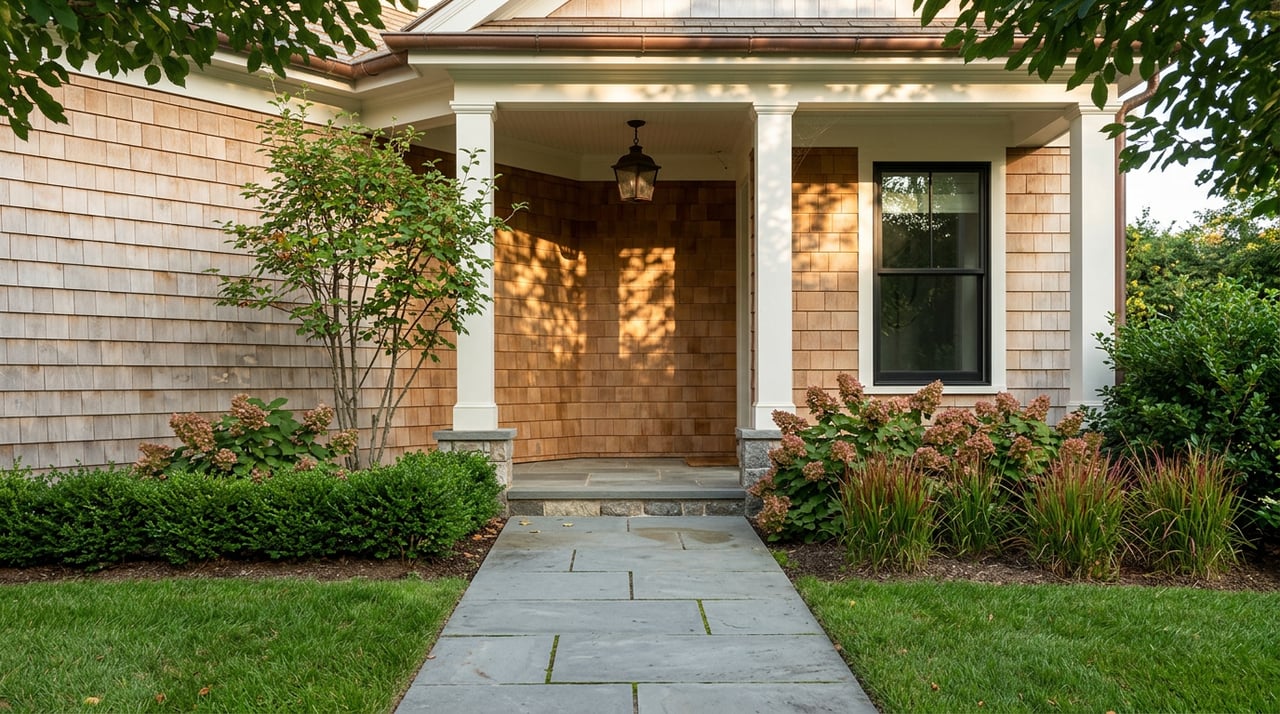
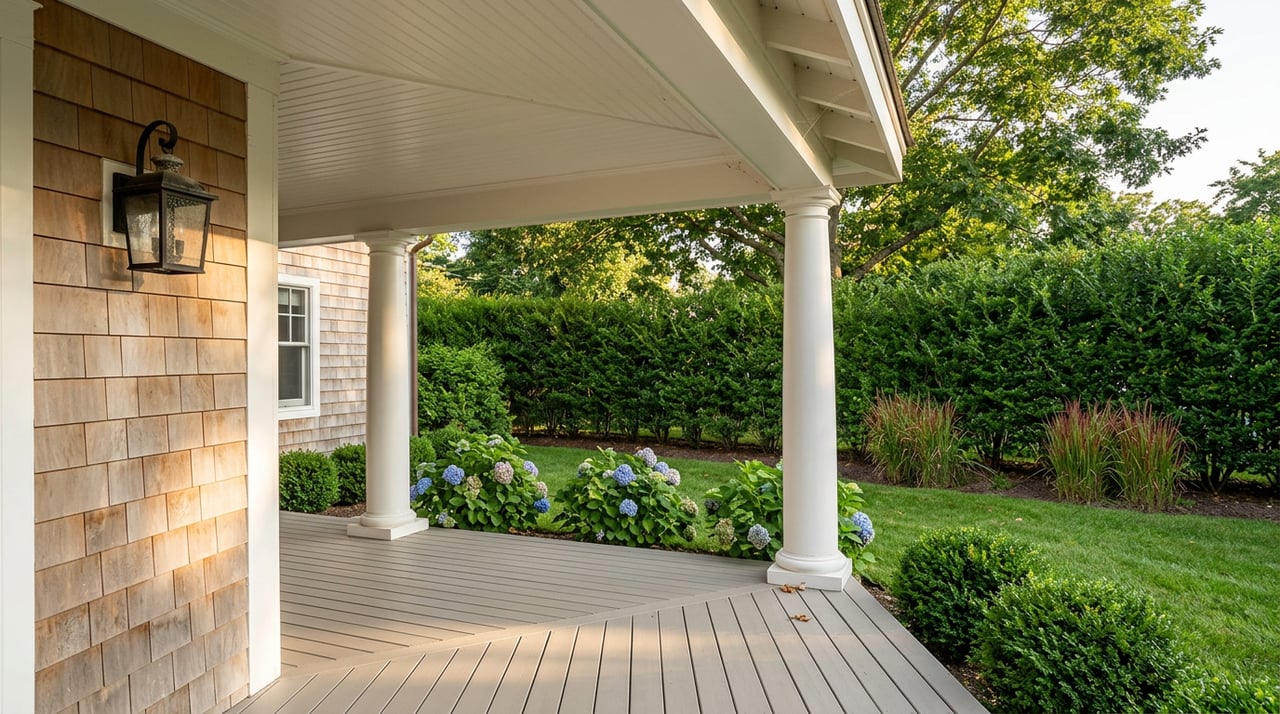
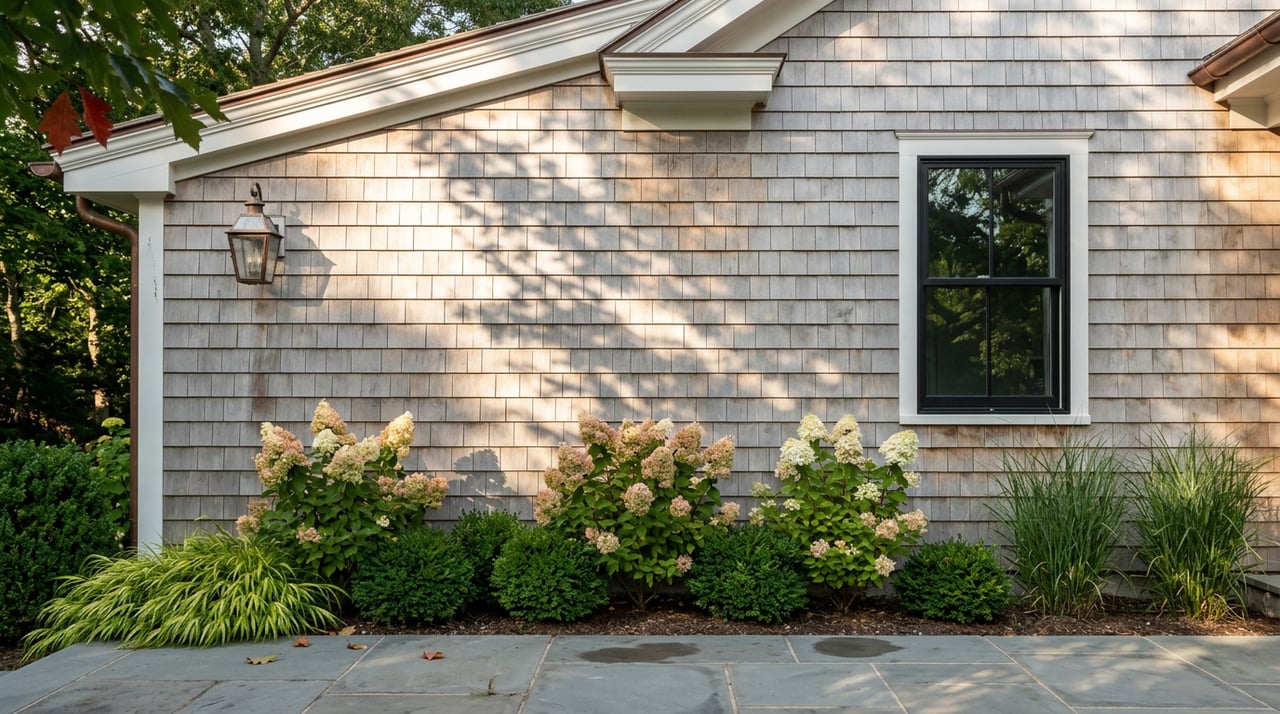
You will find a mix of ranches, split-level homes, Cape Cods, colonials, and post-war suburban homes. Lots are typical for Long Island suburbs, with smaller yards than upstate areas. Along canals and the bayfront, you may see narrower lots and properties with docks or bulkheads. Many ranches and split-level homes were built in developer eras, and buyers often plan future expansions or dormers. If you think you will add a level or finish a basement, factor those costs and permits into your long-term plan.
Your step-by-step path
1) Get pre-approved and set a budget
Start with a written mortgage pre-approval from a lender familiar with Long Island. Ask about first-time buyer products such as FHA or conventional options that fit your down payment. If you are eligible, VA loans may also be an option.
As you set your budget, look beyond the purchase price. Property taxes are a major monthly cost in Suffolk County and can vary by street. Verify the current tax bill for each property using county records, and ask your lender to include projected homeowners and, if applicable, flood insurance in your monthly payment estimate.
2) Focus your search
Decide how you will use your home and which features matter most. In West Islip, you will see many single-story ranches and split-level homes that are easy to live in and renovate. Some buyers prefer colonials for separation of space. If waterfront access or proximity to marinas is on your wish list, note that those homes may have added inspections and insurance needs.
Commute matters, too. West Islip connects to Montauk Highway, Sunrise Highway, the Southern State Parkway, and the Heckscher State Parkway. There is no active LIRR station in West Islip; most commuters use nearby Bay Shore or Islip stations on the Montauk Branch. LIRR ride times vary by schedule and transfers, and driving to Manhattan can range from about 50 to 90 minutes or more depending on traffic.
For families, confirm school district boundaries for each specific address. West Islip Union Free School District serves much of the area. Because tax levies and attendance zones can change, verify details directly with official district resources before you make an offer.
3) Craft smart, competitive offers
Inventory can move quickly on Long Island. In waterfront pockets or other high-demand spots, you may face multiple offers. Work with your agent to present clean terms that still protect you, including financing and inspection contingencies. Appraisal contingencies are also common; your lender and agent can help weigh the risk and structure a strategy for the current market.
Be ready with proof of funds for your down payment and a clear timeline. If you are targeting a waterfront property or a home in a potential flood zone, plan extra due diligence up front so you are not surprised later.
4) Inspect what matters on the South Shore
A general home inspection is strongly recommended, along with a pest or termite inspection. Many buyers also order HVAC, roof, and chimney evaluations. Depending on the property, consider radon testing.
Local coastal checks include:
- Flood zone and elevation. Identify the FEMA flood zone for the exact property. If the home is in a Special Flood Hazard Area, request any available elevation certificate and understand how it affects insurance.
- Bulkheads, docks, and seawalls. If the home sits on a canal or bay, inspect the structural condition and permitting history. Repairs can be significant, so get clarity before you proceed.
- Sewer and water status. Confirm whether the property is connected to municipal sewer and water or uses a private septic system. Septic systems may require evaluation or replacement.
- Coastal permitting. If you plan additions or rebuilds near the shoreline, ask about coastal setbacks and any special permits.
5) Appraisal, underwriting, and title
After your offer is accepted and you are in contract, your lender orders an appraisal and begins underwriting. On Long Island, this stage typically takes 2 to 6 weeks, and total time to closing is often 30 to 60 days from contract. Complex files can take longer.
Local items that can extend timelines include title issues from older homes, municipal searches for certificates and permits, and arranging flood insurance if the property is in a high-risk zone. In New York, attorneys commonly manage closings, and a local title company or attorney will handle title insurance and searches.
Costs to plan for in Suffolk County
Budget for more than your down payment. Common first-time buyer costs include:
- Down payment. Amount varies by loan product and your financial profile.
- Closing costs. Often about 2 to 5 percent of the purchase price, depending on loan type, title fees, attorney fees, lender charges, tax escrow, and recording or transfer costs.
- Prepaid items. Mortgage interest, property tax escrows, and homeowners insurance.
- Inspections. General home inspection plus any septic, bulkhead, structural, or environmental checks recommended for the property.
- Insurance. Homeowners insurance and, if applicable, flood insurance. Coastal properties may have higher premiums, windstorm deductibles, or special coverage requirements.
Property taxes are typically higher than the national average and vary by assessed value, location, and school tax components. Always pull the actual tax bill for the specific property rather than relying on neighborhood averages.
Flood risk and insurance basics
West Islip’s coastal position means some homes fall within FEMA-designated flood zones. If a property is in a high-risk zone such as AE or VE, most lenders will require flood insurance. Get quotes early so your monthly costs are accurate and you can shop options. Some carriers offer private flood insurance that may price differently than federal programs.
Ask the seller whether an elevation certificate exists. Elevation information helps insurers determine premiums and helps you understand risk. If you are evaluating a waterfront lot, include the condition of bulkheads and any coastal erosion concerns in your inspection plan.
For homeowners policies near the coast, ask insurers about wind coverage, deductibles, and any special endorsements. Clarify what is included and excluded so you have no surprises after closing.
Commute, transit, and daily life
Several parkways connect West Islip to the rest of Long Island and toward New York City. Sunrise Highway, the Southern State Parkway, and the Heckscher State Parkway provide access across the Island. Driving time to Manhattan varies with traffic and can range widely during peak hours. Many commuters choose the Long Island Rail Road to avoid highway delays.
West Islip does not have its own LIRR station. Nearby Bay Shore and Islip stations on the Montauk Branch are commonly used. Schedule details and travel times change, so check current timetables when planning your commute. Suffolk County Transit offers local bus service in the area; availability varies by route.
Lifestyle perks include access to marinas, bay beaches, boating, fishing, parks, and local shopping and dining. Proximity to the water can be a lifestyle advantage and a resale consideration, which is why flood and insurance checks are so important early in your process.
Taxes and exemptions
In Suffolk County, your tax bill combines county, town, and school district levies. In West Islip, the West Islip Union Free School District tax typically represents a significant share. New York State’s School Tax Relief program, known as STAR, may reduce the school tax portion for eligible primary residences. Confirm eligibility and how to apply or transfer benefits for your specific home.
To estimate taxes accurately, verify the assessed value and the most recent bill for the exact property. Your attorney or agent can help you locate the right records and confirm any exemptions or assessments on file.
Your West Islip due-diligence checklist
Use this quick reference as you move through the process:
Pre-offer
- Obtain a written mortgage pre-approval.
- Review recent comparable sales in your target West Islip neighborhood.
- Verify school district boundaries for the specific address.
- Confirm the current property tax bill and any exemptions.
After accepted offer
- Schedule a general home inspection and pest inspection.
- Order any needed specialist inspections: septic, bulkhead, chimney, roof, structural.
- Check FEMA flood zone status for the address and request an elevation certificate if applicable.
- Start homeowners and flood insurance quotes.
- Open title, review easements, covenants, and permit history.
- Confirm sewer and water connection status.
- Coordinate appraisal and underwriting timelines with your contingency deadlines.
Closing prep
- Confirm proration of taxes and utilities.
- Verify what stays with the home, including appliances and fixtures.
- Schedule your final walk-through.
How I help first-time buyers
Buying your first home is a big milestone. You deserve a calm, organized process and a guide who knows the South Shore inside and out. With 25+ years of experience across West Islip and neighboring hamlets, I combine hyper-local insight, school-district awareness, and Douglas Elliman resources to keep you informed and ahead of each step.
Here is what that looks like for you:
- Clarity on budget, taxes, and insurance before you fall in love with a home.
- A search strategy tuned to West Islip’s housing stock, from ranches and splits to bayfront properties.
- Vendor orchestration for inspections, attorneys, title, and insurance, including coastal specialists when needed.
- Steady communication, strong negotiation, and a smooth handoff to closing with white-glove support.
Ready to take the next step in West Islip? Work with a trusted local advisor who treats your goals like her own. Connect with Irene Siconolfi to get started today.
FAQs
Does West Islip have an LIRR station for commuters?
- West Islip does not have its own LIRR station; most commuters use nearby Bay Shore or Islip on the Montauk Branch and should check current schedules for travel times.
Do I need flood insurance when buying in West Islip?
- If the home is in a FEMA high-risk zone or your lender requires it, you will need flood insurance; confirm the property’s flood zone and get quotes early to budget accurately.
How long does a Suffolk County closing take for first-time buyers?
- Typical closings take about 30 to 60 days from contract, with possible delays for title issues, municipal searches, or arranging flood insurance on coastal properties.
What inspections are recommended for West Islip homes near the bay?
- In addition to a general and pest inspection, consider bulkhead and dock evaluations, roof and HVAC checks, and verify sewer or septic status; request an elevation certificate if flood risk is possible.
How can I estimate property taxes for a specific West Islip address?
- Review the latest Suffolk County property tax records and confirm the school district component; use the exact address rather than averages and verify any exemptions such as STAR.
Are expansions common on West Islip ranches and split-levels?
- Yes, many owners add dormers or second floors over time; if you plan future work, check the Town of Islip’s permitting and any coastal or setback requirements before you buy.